Happy Yesterday: A Versatile Script Amp Font for Editorial Design
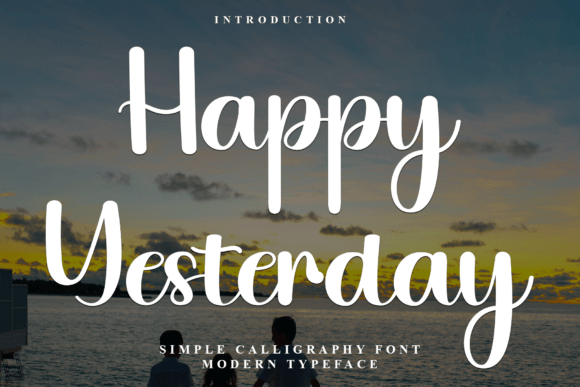
Happy Yesterday is a beautifully crafted font that brings a soft, unique touch to any design. Its distinctive strokes and elegant curves make it a standout choice for editorial designers, bloggers, and content creators who value both form and function in their work.
Visual Characteristics and Editorial Appeal
Happy Yesterday's design is characterized by its smooth, flowing lines and subtle, yet expressive, personality. This script amp font has a hand-drawn feel, making it perfect for adding a personal and authentic touch to your projects. The font's versatility allows it to be used in a wide range of contexts, from blog headers to magazine covers, ebook titles, and more.
Enhancing Blog Headers and Magazine Covers
When it comes to creating eye-catching blog headers and magazine covers, Happy Yesterday can be a game-changer. Its elegant and modern aesthetic can help set the tone for your publication, drawing readers in with its inviting and sophisticated look. Use it for the main title or as a complementary element to add a touch of elegance and creativity.
Perfect for Ebook Titles and Newsletter Graphics
For ebook creators and newsletter writers, Happy Yesterday offers a way to make your titles and graphics stand out. Whether you're designing a cover for a recipe ebook or crafting a visually appealing newsletter, this font can add a unique and memorable element to your work. Its readability and visual appeal make it ideal for both digital and print formats.
Creating Engaging Quote Layouts and Chapter Openers
Incorporating Happy Yesterday into your quote layouts and chapter openers can significantly enhance the reader experience. The font's fluid and graceful style makes it perfect for highlighting important quotes or introducing new sections. This not only adds a touch of sophistication but also helps guide the reader through your content seamlessly.
Supporting Visual Hierarchy and Publication Identity
Happy Yesterday is an excellent choice for establishing a strong visual hierarchy in your designs. Its distinct style can be used for titles, subtitles, and pull quotes, helping to create a clear and engaging structure. Additionally, using this font consistently across your publications can help build a cohesive and recognizable brand identity, whether you're working on a lifestyle blog, a wedding guide, or a coaching workbook.
Practical Considerations for Readability and Use
While Happy Yesterday is highly versatile, it's important to consider its readability in different contexts. For screen reading and mobile layouts, ensure that the font size is large enough to maintain clarity. When exporting to PDF or preparing for print, test the font at various sizes to ensure it remains legible and visually appealing. This attention to detail will help you create a professional and polished final product.
Font Pairing for Editorial Use
To create a balanced and harmonious design, consider pairing Happy Yesterday with other fonts. A clean sans serif font can complement its script style, providing a contrast that enhances readability. Alternatively, a classic serif font can add a traditional and refined touch to your body text, while Happy Yesterday serves as a striking accent for headings and titles.
Commercial Licensing and Usage
Before using Happy Yesterday in commercial projects such as ebooks, templates, printables, and paid newsletters, it's essential to check the licensing terms. Ensuring that you have the appropriate license will allow you to use this premium font in a variety of professional and creative applications without any legal concerns.
- Check for included styles, alternates, and ligatures to expand your design possibilities.
- Verify multilingual support if your project requires multiple language options.
- Review the available weights to find the perfect match for your specific design needs.
By integrating Happy Yesterday into your editorial designs, you can create visually stunning and engaging content that resonates with your audience. Its unique character and versatility make it a valuable addition to any designer's toolkit, enhancing both the aesthetic and functional aspects of your publications.